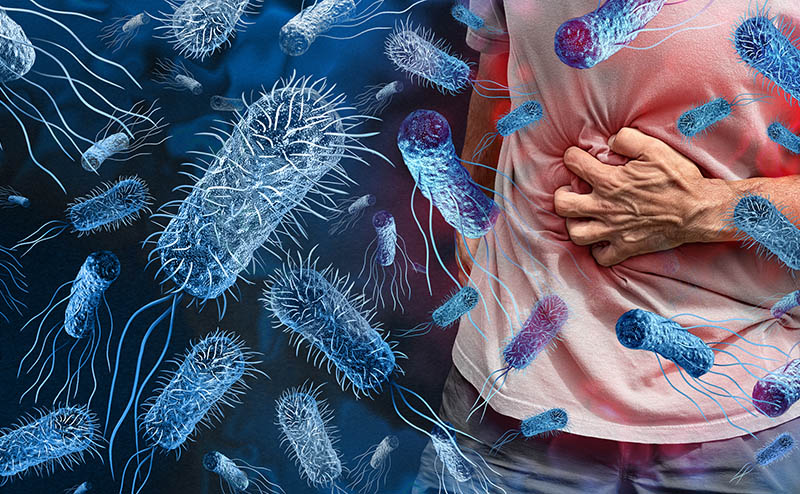
Top 10 Common Foods That Cause Food Poisoning
Food poisoning is a serious health concern that affects millions of people annually. Many common foods pose a higher risk of contamination. Understanding these foods can help you take precautions to avoid becoming ill. Here are the top 10 common foods that cause food poisoning:
- Raw or undercooked meat - Especially chicken and pork, which can harbor bacteria like Salmonella and E. coli.
- Shellfish - Oysters and clams can accumulate harmful toxins and bacteria.
- Eggs - Uncooked or lightly cooked eggs can carry Salmonella.
- Unpasteurized dairy products - Such as milk and cheese, which may contain Listeria and other bacteria.
- Fruits and vegetables - Especially when washed or handled improperly.
- Prepared salads - Like tuna or chicken salad that have been left at room temperature for too long.
- Rice - Cooked rice can harbor Bacillus cereus if not stored properly.
- Sprouts - Such as alfalfa, often carry harmful bacteria.
- Processed meats - Hot dogs and deli meats are often linked to Listeria outbreaks.
- Honey - This should never be given to infants as it can contain botulinum spores.
How to Prevent Food Poisoning at Home: Essential Tips
Preventing food poisoning at home is crucial for ensuring the safety of your meals and the health of your loved ones. One of the most effective ways to do this is by practicing safe food handling techniques. Always begin by washing your hands thoroughly with soap and water before preparing any food. Additionally, make sure to clean all surfaces, utensils, and cutting boards that come into contact with raw food, particularly meat and poultry.
Another key factor is to maintain proper food storage. Keep your refrigerator at a temperature below 40°F (4°C) to inhibit bacterial growth. When storing leftovers, ensure they are cooled quickly and consumed within three to four days. It's also essential to pay attention to expiration dates and to avoid cross-contaminating foods by using separate cutting boards for raw and cooked products. By following these essential tips, you can significantly reduce the risk of food poisoning in your home.
What Are the Symptoms of Food Poisoning and When to Seek Medical Help?
Food poisoning can manifest with a variety of symptoms that typically appear within hours or days after consuming contaminated food. Common signs include nausea, vomiting, and diarrhea, which may be accompanied by cramping and abdominal pain. Other symptoms may include fever, headache, and muscle aches. In some cases, symptoms can be severe and lead to dehydration, causing dry mouth, dizziness, and decreased urine output.
It's crucial to know when to seek medical help for food poisoning. If you experience any of the following symptoms, it is advisable to contact a healthcare professional:
- High fever (over 101.5°F or 38.6°C)
- Severe diarrhea lasting more than three days
- Signs of dehydration, such as extreme thirst, little or no urination, dizziness, or confusion
- Persistent vomiting that prevents you from keeping liquids down
- Severe abdominal pain